
Request an Appointment
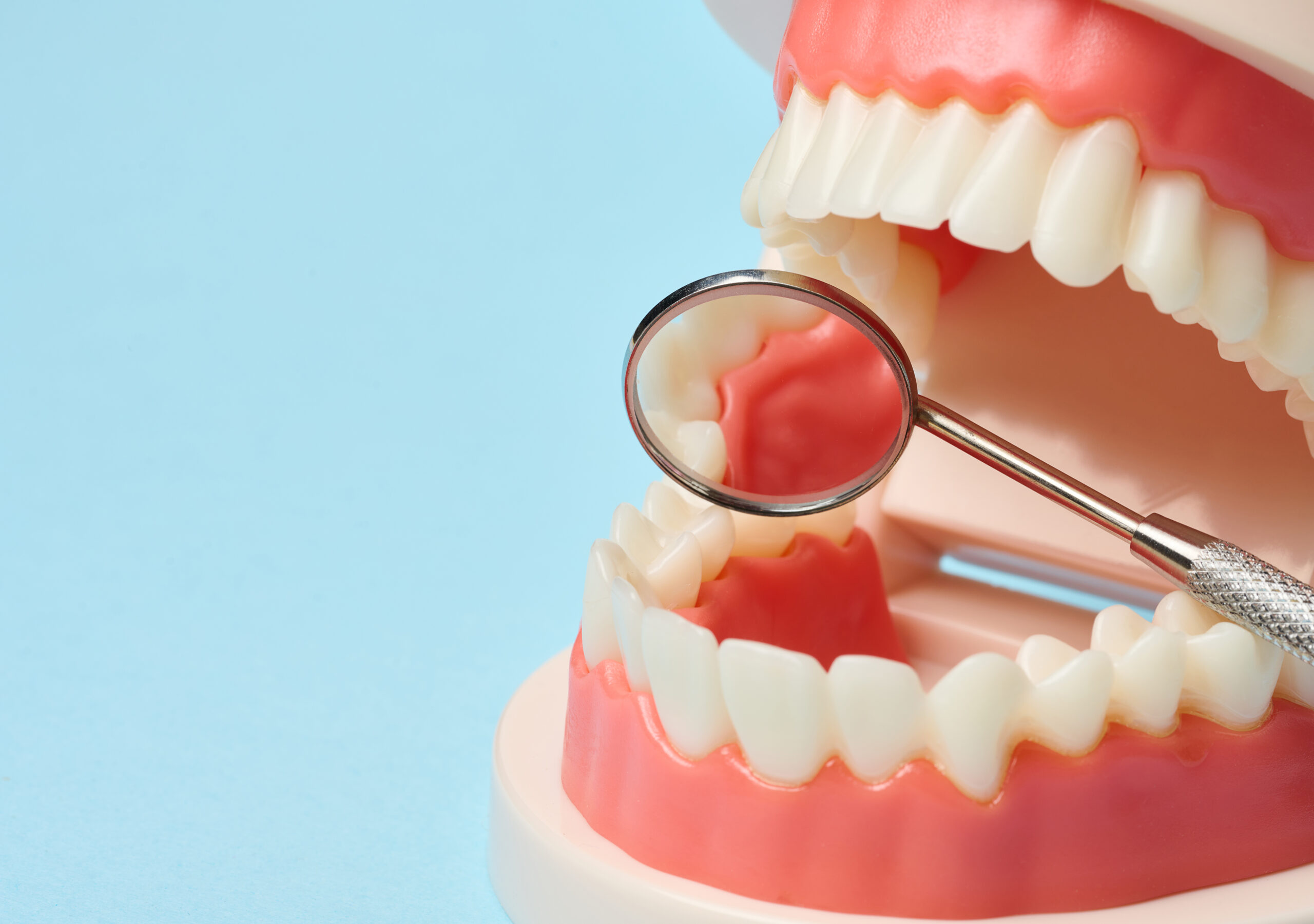
Starting any new dental treatment can feel overwhelming. That is especially true for periodontal care, which many patients have never experienced before. At Cabrillo Family Dental Care, Dr. Sarah Esmaili hears the same concerns from patients every week. These 5 questions new patients ask before starting periodontal care in Pacifica cover everything from pain to long-term results. We want you to feel informed and confident before your first visit.
Question 1: What Exactly Is Periodontal Care and Do I Really Need It?
Periodontal care refers to treatment that targets the gums and supporting structures around your teeth. It addresses gum disease, which ranges from mild gingivitis to advanced periodontitis. Many patients are surprised to learn how common gum disease actually is. The CDC estimates that nearly half of adults over 30 have some form of it.
Your dentist recommends periodontal treatment when routine cleanings are no longer enough. Signs you may need it include bleeding gums, persistent bad breath, and gum recession. Loose teeth or deep pockets around the gumline are also warning signs. Ignoring these symptoms can lead to tooth loss over time.
The good news is that early intervention works very well. Getting treatment promptly protects both your gums and your overall health. Gum disease has been linked to heart disease, diabetes, and other systemic conditions. Treating it is not just about your smile — it is about your whole body.
Question 2: Will Periodontal Treatment Hurt in Pacifica?
Pain is one of the top concerns patients raise before starting care. Most periodontal procedures are far more comfortable than patients expect. Dr. Esmaili uses local anesthesia to numb the treatment area during deeper cleanings. You should feel pressure but not sharp pain during the procedure.
The most common initial treatment is called scaling and root planing. This deep-cleaning procedure removes tartar and bacteria from below the gumline. It smooths the tooth roots so gums can reattach properly. Most patients tolerate it very well with proper numbing.
After treatment, some soreness and sensitivity are normal for a few days. Over-the-counter pain relievers and a soft diet usually manage this well. Swelling or tenderness tends to peak within 24 to 48 hours and then fades. Our team will give you clear aftercare instructions before you leave the office.
Question 3: How Many Visits Will I Need?
The number of visits depends on the severity of your gum disease. Mild cases may resolve with one or two deep-cleaning appointments. More advanced periodontitis often requires multiple sessions and follow-up evaluations. Dr. Esmaili will map out a clear treatment plan during your initial exam.
Here is a general overview of what the process typically looks like:
- Initial comprehensive periodontal exam and X-rays
- Scaling and root planing, usually divided by quadrant
- Re-evaluation appointment four to six weeks after treatment
- Ongoing periodontal maintenance every three to four months
Periodontal maintenance visits are not the same as regular cleanings. They are more thorough and focus on monitoring the pockets around your teeth. Staying consistent with these visits is key to keeping gum disease from returning. Skipping them increases your risk of relapse significantly.
Question 4: How Does Periodontal Health Connect to Other Dental Work?
Many patients ask whether gum disease affects their plans for other dental procedures. The short answer is yes — healthy gums are the foundation for almost every dental treatment. Placing dental implants, for example, requires stable gum and bone tissue. Active gum disease must be treated first before implants can succeed.
The same principle applies to restorations like crowns and bridges. If you are considering Dental Crowns Bridges Pacifica, Dr. Esmaili will assess your gum health first. Placing a crown over an infected or inflamed gumline can compromise the result. Treating periodontal disease sets the stage for a long-lasting restoration.
Even cosmetic treatments benefit from healthy gums. Patients interested in Cosmetic Dentistry Pacifica often need periodontal clearance before proceeding. Healthy, pink gums frame your smile and contribute to an attractive result. Your gum health and your smile goals are more connected than most people realize.
Question 5: What Happens If I Wait or Skip Treatment?
This is a question Dr. Esmaili answers honestly and without judgment. Delaying periodontal care allows the infection to progress deeper into your gum tissue. Over time, it destroys the bone that holds your teeth in place. Once bone loss occurs, it cannot be fully reversed.
Here are the real risks of postponing periodontal treatment:
- Progressive bone loss around affected teeth
- Tooth mobility and eventual tooth loss
- Spread of infection to adjacent healthy teeth
- Increased systemic health risks linked to chronic oral bacteria
- Higher treatment costs if advanced surgical intervention becomes necessary
Early-stage gum disease responds well to non-surgical treatment. Waiting until symptoms worsen often means more complex procedures are needed. Acting sooner protects your teeth, your wallet, and your overall health. There is no benefit to waiting, but there are real costs to doing so.
What to Expect at Your First Appointment in Pacifica
Your first visit at Cabrillo Family Dental Care begins with a thorough evaluation. Dr. Esmaili will measure the depth of the pockets around each tooth. She will also review your dental and medical history and take any necessary X-rays. This gives her a complete picture of your current gum health.
She will then explain her findings in plain language. You will understand exactly what stage of gum disease you have, if any. She will walk you through the recommended treatment and what each step involves. No surprises — just clear, compassionate communication.
Patients in Pacifica consistently appreciate this approach to care. Feeling heard and informed makes a real difference when starting treatment. Our goal is to make you a confident partner in your own dental health. You deserve to understand every step of your care.
Conclusion: Taking the First Step Toward Healthier Gums
Understanding the answers to these 5 questions new patients ask before starting periodontal care in Pacifica can ease a lot of anxiety. Gum disease is treatable, and the process is more manageable than most people fear. Dr. Sarah Esmaili and the team at Cabrillo Family Dental Care are here to guide you every step of the way. Book Now to schedule your appointment with our team.
Frequently Asked Questions
Is periodontal disease the same as having cavities?
No, they are different conditions. Cavities are decay inside the tooth structure, while periodontal disease is an infection of the gums and supporting bone. Both require treatment, but they involve separate procedures and timelines.
Can gum disease come back after treatment?
Yes, it can return if you do not maintain proper home care and regular maintenance visits. That is why Dr. Esmaili recommends more frequent cleanings after completing periodontal treatment. Consistent brushing, flossing, and professional care keep gum disease from recurring.
How do I know if I have gum disease right now?
Common signs include gums that bleed when you brush, persistent bad breath, gum recession, and teeth that feel loose. However, gum disease can also be present with no obvious symptoms. A professional exam is the only reliable way to know your current gum health status.
Does periodontal care require surgery?
Not always. Many patients are treated successfully with non-surgical scaling and root planing. Surgery is only recommended in advanced cases where deep pockets cannot be cleaned with non-surgical methods alone. Dr. Esmaili will let you know which approach is appropriate for your situation.
How long does it take to see improvement after treatment?
Many patients notice reduced bleeding and inflammation within a few weeks of completing their deep cleaning. A formal re-evaluation usually takes place four to six weeks after treatment. At that appointment, Dr. Esmaili will measure your pocket depths again to assess how well your gums have responded.