
Request an Appointment
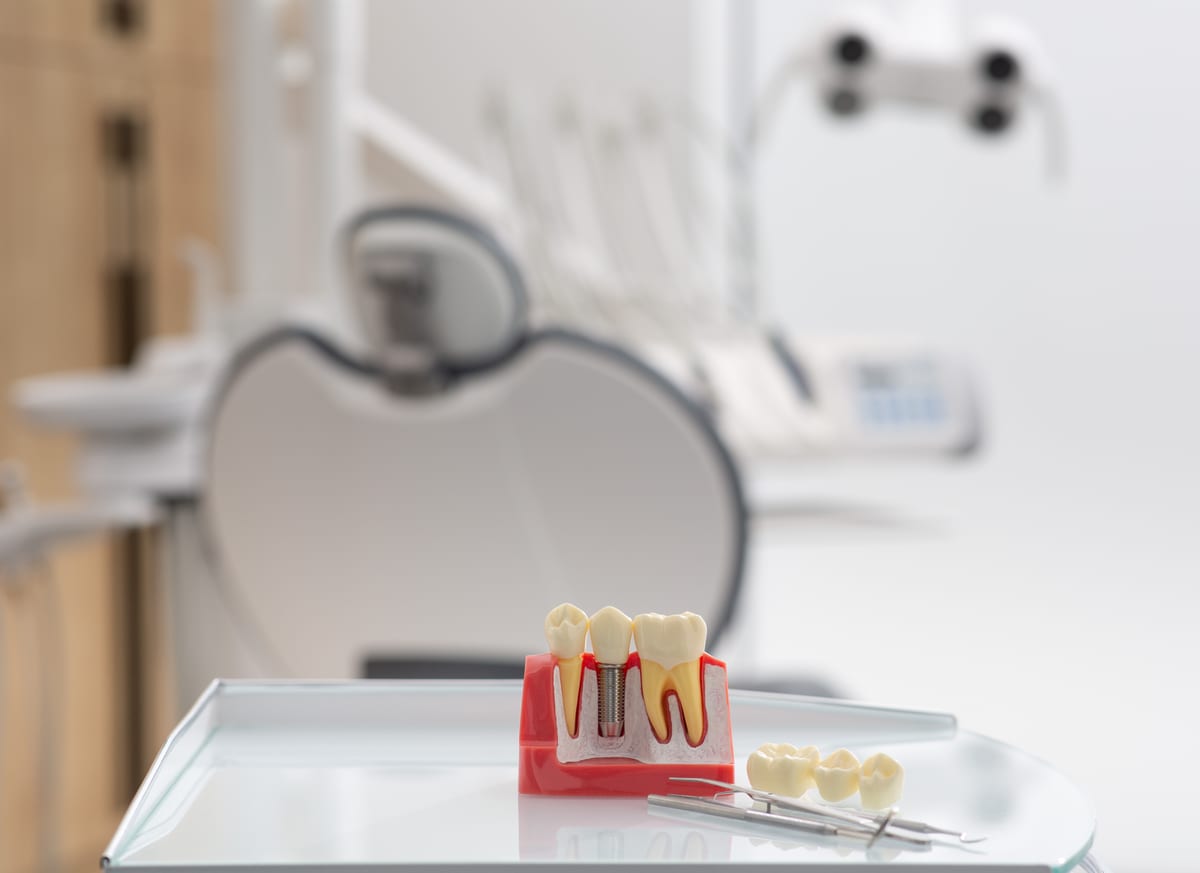
Dental implants are one of the smartest investments you can make in your oral health. Many patients in Pacifica ask Dr. Sarah Esmaili the same question: how long do dental implants actually last? The honest answer is that dental implants last 25+ years — and with the right care, yours can truly become a lifetime investment. This article breaks down what affects implant longevity, what shortens it, and exactly what you can do to protect your smile for decades to come.
Why Dental Implants Are Built to Last a Lifetime
Dental implants differ from other tooth replacement options in one critical way. They fuse directly to your jawbone through a process called osseointegration. This creates a stable, permanent anchor that functions like a natural tooth root.
The implant post itself is made from medical-grade titanium. Titanium is biocompatible and highly resistant to corrosion. That’s why the post component of an implant can last 25 years or more with proper care.
The crown placed on top of the implant has a slightly shorter lifespan — typically 10 to 15 years. Crowns endure daily biting and chewing forces. Replacing a crown doesn’t mean the entire implant fails. It simply means the visible tooth portion needs refreshing after years of hard work.
Compared to Dental Crowns Bridges Pacifica patients sometimes consider, implants preserve jawbone density and don’t require grinding down adjacent teeth. That structural advantage is a big reason implants outlast bridges by decades.
Factors That Shorten Implant Lifespan — And How to Avoid Them
Not all implants reach the 25-year mark. Several key factors can reduce longevity significantly. Understanding these risks helps you make smarter choices every day.
Here are the most common reasons dental implants fail prematurely:
- Poor oral hygiene: Bacteria buildup around the implant site leads to peri-implantitis, an infection that destroys supporting bone.
- Smoking: Tobacco restricts blood flow and slows healing. Smokers face a significantly higher implant failure rate.
- Uncontrolled diabetes: High blood sugar impairs healing and increases infection risk around the implant.
- Teeth grinding (bruxism): Chronic grinding puts excessive pressure on crowns and can loosen the implant over time.
- Skipping dental checkups: Early warning signs go undetected without regular professional monitoring.
- Poor bone density at placement: Insufficient bone volume reduces osseointegration success from the start.
Many of these risks are entirely preventable. Dr. Esmaili evaluates each patient’s health history before recommending implants. That personalized assessment is what sets lasting results apart from premature failures.
Daily Habits That Help Your Dental Implants Last 25+ Years in Pacifica
The good news is that implant longevity is largely in your hands. Consistent daily habits play the biggest role in protecting your investment. Think of implant care like maintaining a quality appliance — neglect it and it breaks down early.
Follow these daily and long-term habits to maximize implant lifespan:
- Brush twice daily with a soft-bristled toothbrush around the implant crown and gumline.
- Floss daily using implant-safe floss or an interdental brush to remove plaque between teeth.
- Use a water flosser to clean hard-to-reach areas around the implant post.
- Avoid hard or sticky foods that can crack crowns or dislodge components.
- Wear a night guard if you grind your teeth — this single step can dramatically extend crown life.
- Quit smoking or avoid tobacco products entirely before and after placement.
- Attend professional cleanings every six months so your care team can monitor peri-implant tissue health.
Patients in Pacifica who follow these habits consistently give their implants the best possible chance of lasting a lifetime. Small daily choices add up to decades of difference.
How Professional Periodontal Care Extends Implant Longevity
Your gum and bone health directly determines how well an implant holds up long term. Periodontal disease is the leading cause of implant failure in otherwise healthy patients. Keeping your gums in excellent condition protects the foundation the implant depends on.
At Cabrillo Family Dental Care, Dr. Esmaili monitors peri-implant tissue at every checkup. She checks for early signs of inflammation, bone loss, or pocket depth changes around the implant site. Catching problems early makes treatment far simpler and less invasive.
Professional cleanings remove hardened calculus that a toothbrush simply cannot reach. Hygienists use instruments specifically designed for implant surfaces to avoid scratching the titanium post. This level of care is very different from a standard cleaning around natural teeth.
If you’re also exploring ways to enhance your smile alongside implant restoration, Cosmetic Dentistry Pacifica services can be coordinated with your implant plan for beautiful, lasting results. A healthy foundation always comes first — aesthetics follow naturally from excellent care.
What to Expect From Your Implant Journey at Cabrillo Family Dental Care
Placing an implant that lasts 25 years or more starts with a thorough planning process. Dr. Esmaili takes digital X-rays and evaluates your jawbone volume before any procedure begins. Proper placement angle and depth are critical for long-term osseointegration success.
After placement, the healing phase typically takes three to six months. During this time, the implant fuses with your bone. Patients follow specific aftercare instructions to protect the site during this critical window.
Once healed, a custom crown is attached to complete the restoration. Dr. Esmaili matches the shade and shape to your surrounding teeth for a natural appearance. The result looks, feels, and functions like a real tooth.
Follow-up appointments are scheduled to confirm proper healing and integration. Long-term monitoring is built into the care plan from day one. That ongoing relationship between patient and provider is what transforms a good implant into a lifetime investment.
Your Lifetime Smile Starts with One Conversation
Dental implants are one of the most reliable and long-lasting solutions in modern dentistry. When placed correctly and cared for diligently, they can serve you for 25 years — and often far longer. Pacifica patients trust Dr. Sarah Esmaili at Cabrillo Family Dental Care to guide them through every step of the implant process with expertise and genuine care. Book Now to schedule your appointment with our team.
Frequently Asked Questions
How long do dental implants really last?
The titanium implant post can last 25 years or more with proper care. The crown on top typically lasts 10 to 15 years before needing replacement. Good oral hygiene and regular checkups are the most important factors in maximizing longevity.
What is the biggest threat to implant longevity?
Peri-implantitis — an infection of the tissue and bone surrounding the implant — is the leading cause of implant failure. It develops from poor oral hygiene and untreated gum disease. Consistent brushing, flossing, and professional cleanings prevent this condition effectively.
Can smokers get dental implants?
Smokers can receive dental implants, but the failure rate is significantly higher among tobacco users. Smoking restricts blood flow and impairs healing after placement. Quitting before and after the procedure greatly improves the chances of long-term success.
Do dental implants require special cleaning tools?
Standard brushing and flossing work well for implant care. Many patients also benefit from a water flosser or interdental brushes to clean around the implant base. Your dental hygienist can recommend the right tools based on your specific implant placement.
How do I know if my implant is failing?
Warning signs include pain around the implant site, swelling, bleeding gums, or a feeling of looseness in the crown. If you notice any of these symptoms, contact your dentist promptly. Early intervention can often save an implant that would otherwise require removal.