
Request an Appointment
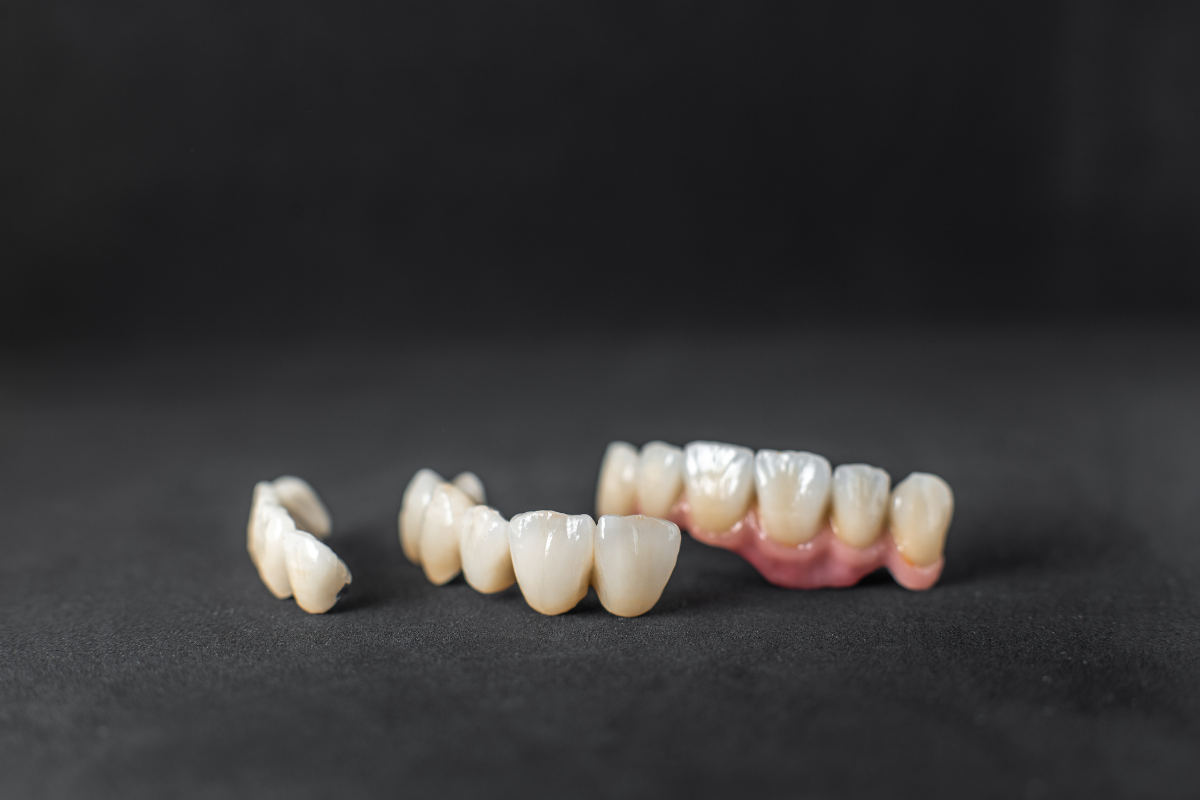
A damaged or weakened tooth can affect your ability to chew, speak, and smile comfortably. Whether a tooth has developed a large cavity, suffered a fracture, or become worn over time, the right dental treatment can help protect it. A dental crown offers a practical way to restore tooth strength while improving the appearance of your smile.
If you are exploring dental crowns in Pacifica, understanding how this treatment works can help you make an informed decision. A dental crown covers the visible portion of a damaged tooth, restoring its shape, size, and function. With guidance from a dentist, you can find out whether a crown suits your dental needs and long-term oral health goals.
When Does a Tooth Need a Dental Crown?
Not every damaged tooth requires the same treatment. However, a dental crown may be a suitable option when a tooth needs extra support or protection. Your dentist may recommend a crown for several reasons, including:
- Large cavities: A crown can protect a tooth when decay affects too much of its structure for a regular filling.
- Cracked or broken teeth: Crowns cover weakened areas and help restore everyday chewing function.
- After root canal treatment: A crown can provide additional protection to a tooth that has undergone root canal therapy.
- Worn or misshapen teeth: Crowns can improve tooth shape and restore a more balanced smile.
- Dental restoration: A crown can complete certain restorative treatments, including dental implant restorations.
A Pacifica dentist can examine your tooth, evaluate its condition, and recommend an appropriate treatment based on your needs.
How Dental Crowns Help Protect Your Smile
A dental crown does more than improve the appearance of a damaged tooth. It also helps restore its strength and supports normal chewing. By covering the weakened tooth structure, a crown can reduce the risk of further damage and help preserve your natural tooth.
Modern crowns come in different materials, including porcelain and other tooth-colored options. These materials can blend with your surrounding teeth for a natural-looking result. Your dentist will consider the tooth’s location, your bite, and your personal preferences when recommending a suitable crown.
Choosing dental crowns in Pacifica can be a valuable step toward restoring comfort and protecting your smile. A Pacifica dentist can also explain how to care for your crown and maintain healthy teeth and gums.
What to Expect During the Dental Crown Procedure
Getting a dental crown typically involves a few simple steps. First, your dentist examines the affected tooth and prepares it for restoration. The dentist may remove damaged areas and reshape the tooth to make room for the crown.
Next, your dental team takes an impression or digital scan to create a crown that fits your tooth. Depending on the treatment process, you may receive a temporary crown while your permanent restoration is prepared. During a follow-up visit, your dentist checks the fit and bite before securing the final crown.
With proper brushing, flossing, and regular dental checkups, you can help your crown last for many years.
Restore Your Tooth With Personalized Dental Care
A damaged tooth does not have to affect your daily comfort or confidence. The right restorative treatment can help strengthen your tooth and bring back your natural-looking smile. If you are considering dental crowns in Pacifica, schedule a consultation with Cabrillo Family Dental Care. A Pacifica dentist can assess your tooth and help you explore a crown that supports your smile and long-term dental health.
Frequently Asked Questions (FAQ’s)
How long do dental crowns last?
Dental crowns can last many years with proper care. Their lifespan depends on the crown material, oral hygiene habits, and everyday chewing forces.
Does getting a dental crown hurt?
Your dentist uses local anesthesia during tooth preparation to help keep you comfortable. Some mild sensitivity may occur after the procedure.
Can a dental crown look like a natural tooth?
Yes. Tooth-colored crowns can closely match the shade and appearance of your natural teeth, creating a more seamless smile.
How do I care for my dental crown?
Brush twice daily, floss around the crown, and attend routine dental visits. Avoid chewing hard objects that could damage your restoration.